Need Help With Your Company's Compliance?

Talk to our team to make sure your business stays on top of SSM and tax compliance requirements.

Contact Us WhatsApp Us

What We Need To Know About RPGT

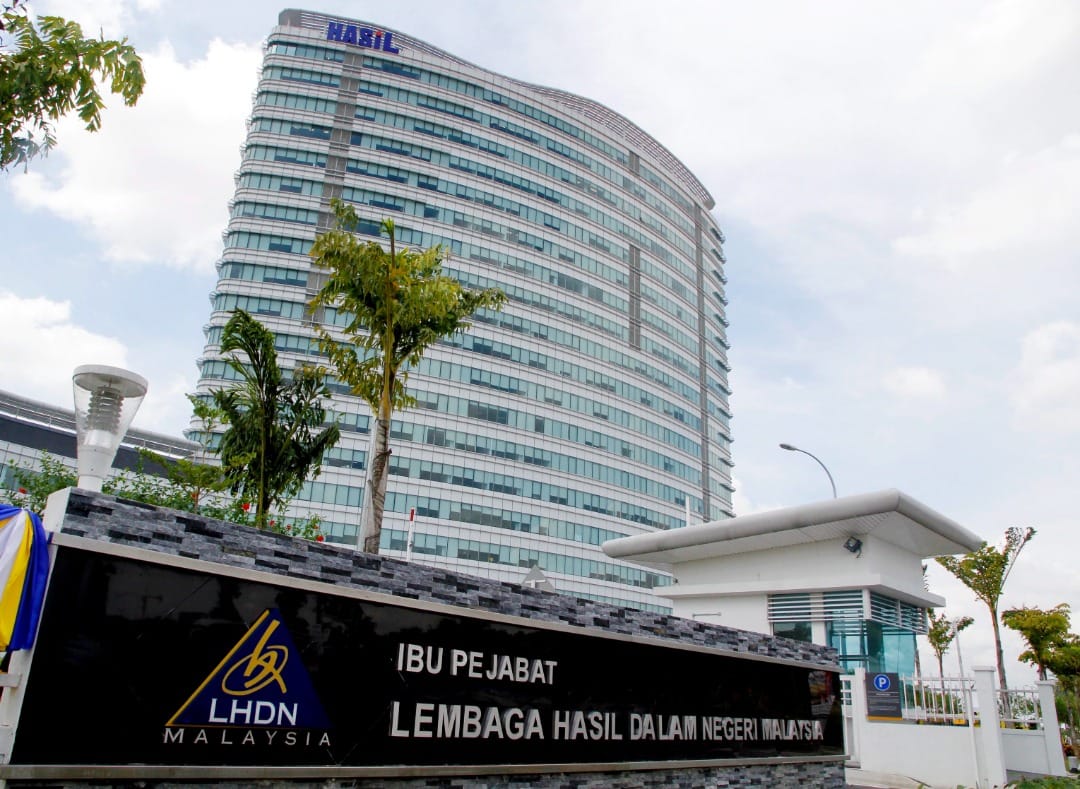
LHDN office representing Real Property Gains Tax (RPGT) administration in Malaysia
There has been a rising awareness of owning real estate at a young age, however, there are still many who have little knowledge about reporting the gains from disposal of real property. Although the preparation of property disposal documents is usually handled by a lawyer or tax agent, it is important for us to have some basic knowledge about it.The Real Property Gains Tax (RPGT) is a tax levied on gains from the disposal of real estate, including flats, houses, condominiums, apartments, farms and vacant lands, among others. This tax is also extended to gains from the disposal of shares in a real estate company.RPGT was introduced in 1976 under the Real Property Gains Tax Act 1976. Exemptions and rates have been revised by the government from time to time since then, most recently through Budget updates — always check the current gazette order or LHDN’s official guidance for the rate and exemption that applies to your disposal, since these change more often than most people expect.

How Is Stamp Duty Related to the Imposition of RPGT?

According to the RPGT Act 1976, RPGT is a capital gains tax imposed by the Inland Revenue Board of Malaysia (LHDN) for every profit earned through the sale of property or shares in a real estate company when the resale price is higher than the purchase price.RPGT is not charged if the resale price of the property is the same or lower than the original price. It is only applicable when there is a gain from the disposal of the property.The imposition of tax on the transfer of property not only involves the disposer but also the acquirer, where the disposer is subject to RPGT and the acquirer is subject to stamp duty. However, gains from the disposal of real estate or shares of a real estate company can also be taxed under the Income Tax Act 1967 if the gains arise from commercial transactions.

RPGT Rates

RPGT rates are determined based on the disposal category, whether:
  • A company incorporated in Malaysia, or a trustee of a trust or society registered under the Societies Act 1966;
  • Non-citizen and non-permanent resident individuals, or the estate of a deceased person who was a non-citizen or non-permanent resident, or companies not incorporated in Malaysia; or
  • Other than the above — for example, individual citizens and permanent residents, or the estate of a deceased citizen or permanent resident.
The RPGT rate is charged depending on the holding period of the asset, meaning from the date the asset is first owned by the disposer until the date it is disposed of. RPGT rates are generally lower for assets held longer in the hands of the disposer. Because these rate bands are revised periodically, always confirm the current rate table on LHDN’s official website before relying on any figure you’ve seen elsewhere.

Responsibilities of Disposer and Acquirer

The property disposal transaction involves two parties — the disposer and the acquirer — both of whom have their respective responsibilities, namely submitting the RPGT Return Form, which can be downloaded from the LHDN official portal or obtained from the nearest LHDN branch.Each disposer and acquirer must submit a completed, clear and signed RPGT Return Form, and should have an income tax reference number. Registration of an income tax reference number can be made through the e-Daftar application at mytax.hasil.gov.my or at any LHDN branch.The form must be submitted within 60 days after the date of disposal, where the date of disposal refers to the date of the property’s sale and purchase agreement. The form must be filled in separately according to the number of disposers/acquirers, and supporting documents for disposal, acquisition and expense claims should be kept in case LHDN requests them.

Property Disposal Tax Exemptions and Incentives

From time to time, the government introduces targeted RPGT exemptions or incentives — for instance, past economic stimulus packages have granted temporary RPGT exemptions on residential property disposals within specific windows. These exemptions are always time-limited and tied to a specific policy period, so don’t assume an exemption you’ve read about (including anything referencing older stimulus packages) still applies — check LHDN’s current guidance or speak to a tax agent before relying on it.For any inquiries and further clarification regarding RPGT and stamp duty, the public is advised to meet officers at any nearby LHDN branch by making an appointment online at janjitemu.hasil.gov.my.

Frequently Asked Questions

Is RPGT charged if I sell my property at a loss?

No. RPGT only applies when there is a gain — if the resale price is the same as or lower than the original purchase price, no RPGT is charged.

Who is responsible for filing the RPGT return, the buyer or the seller?

Both parties have responsibilities: the disposer (seller) is subject to RPGT and must file the RPGT Return Form, while the acquirer (buyer) is subject to stamp duty on the transfer.

How long do I have to submit the RPGT Return Form after selling my property?

The form must be submitted within 60 days from the date of disposal, which refers to the date of the sale and purchase agreement.

Where can I check the current RPGT rates?

RPGT rates change from time to time depending on the holding period and disposer category, so always check LHDN's official website or speak to a tax agent for the exact rate that applies to your situation rather than relying on older published figures.